
How to Build a Profitable Roadside Checkpoint
From the State Debris Field Manual

Many people wrongly assume that you need venture capital, a fancy college degree, or sophisticated financial strategies to generate meaningful cash flow. There are other options. This is not another “buy a laundromat” or “build passive income through vending machines” program. Those industries are boring and oversaturated. Serious entrepreneurs understand that real margins are found controlling strategic stretches of poorly maintained roadway in regions with weak institutional capacity.
A profitable roadside checkpoint can be established almost anywhere with a few loyal friends, plastic chairs and confidence. I’ve created a short guide based loosely on some completely dysfunctional real-world examples.
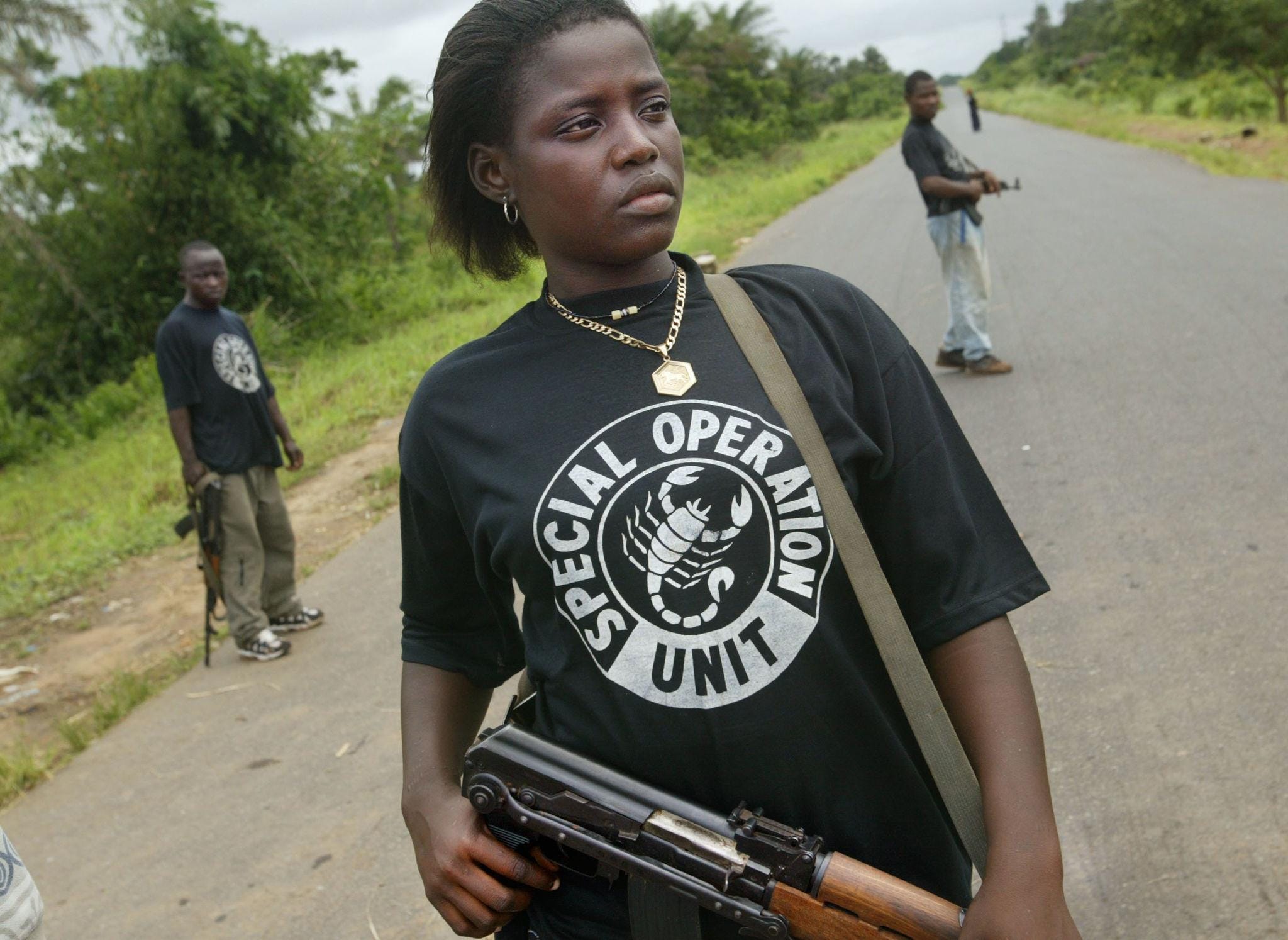
THE CORE COMMODITIES
Choose a commodity more stable than your national currency and start getting as much of it as you can at your checkpoint. During the Yugoslav Wars, cigarettes moved like parallel currency across regions and black markets. Everyone wanted cigarettes. In your own operation, cartons of Marlboros may serve as reserve backing for the “Free Highway Security Zone” or whatever you want to name it.
A disciplined checkpoint commander understands that cigarettes are not merely a vice, they are portable taxation units, morale boosters, diplomatic tools, and emergency payroll reserves. One carton can calm an argument, settle a transit dispute, or prevent your hired thugs from defecting to a rival roadblock.
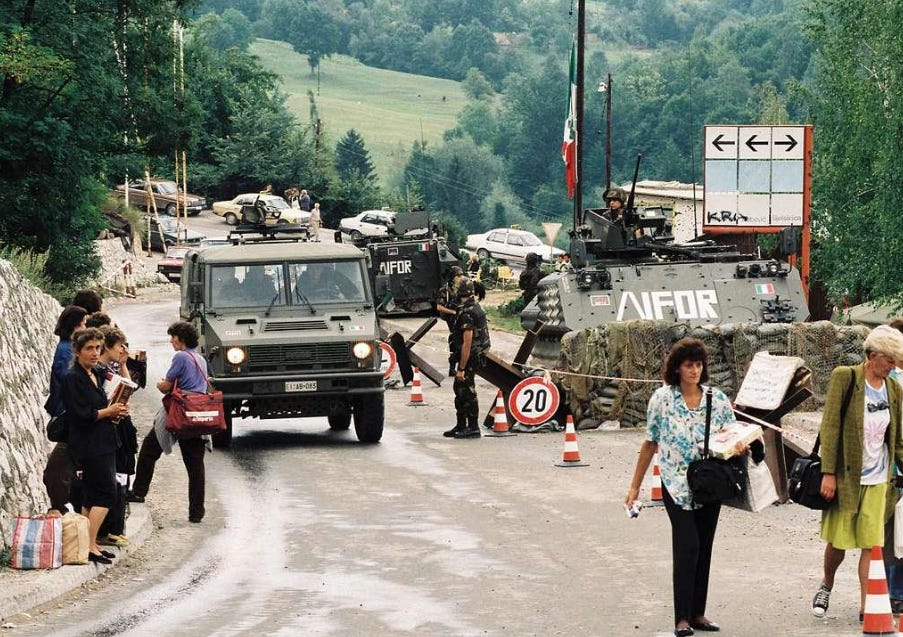
STEAL SOME OF THE FUEL
Fuel is very important. In wartime Liberia, fuel skimming became a business model. If your checkpoint removes only 1 gallon from each passing truck, you are now operating a regional energy ministry. Just a little fuel skim off the top will add up very quickly. Don’t take all of it though. More on that in a second.
Gas and diesel is effectively liquid cash. Generators need it, trucks need it, smugglers need it, everybody needs it. After several months, your checkpoint may possess more strategic petroleum reserves than the recognized government nearby.
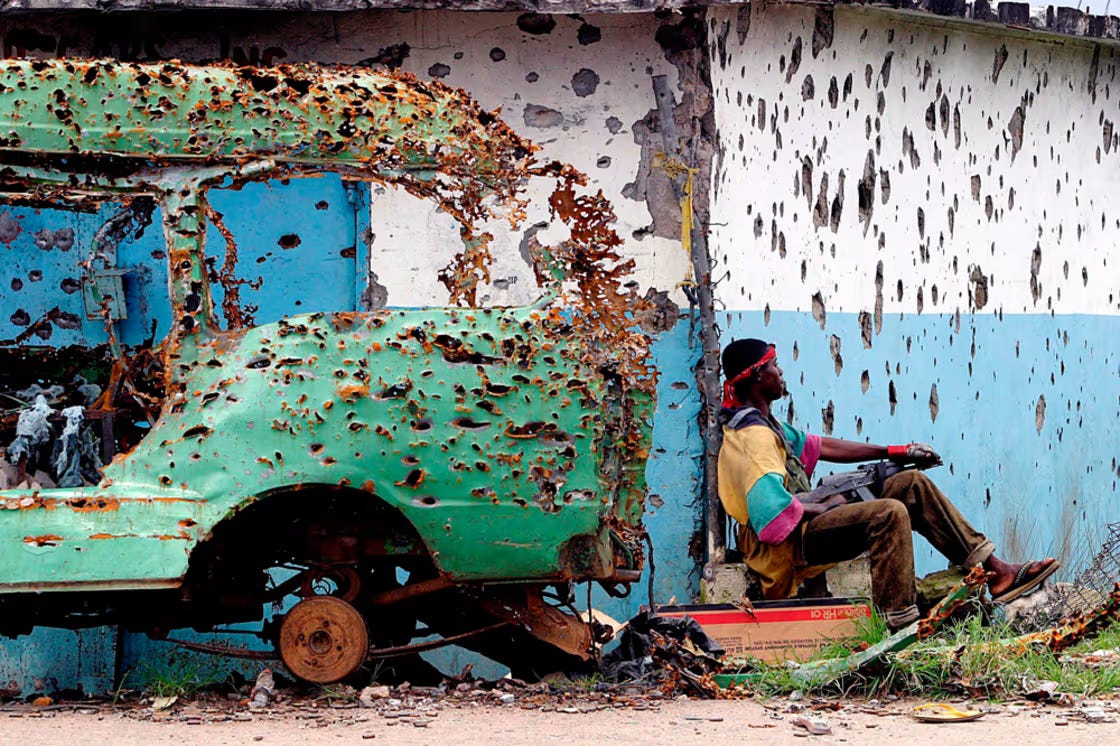
SIPHON THE AID
Aid leakage is an economic opportunity. In Somalia, flour, cooking oil, and UN food aid regularly entered shadow markets. A disciplined checkpoint commander understands that humanitarian supplies are simply for the taking.
Every relief convoy is a potential wholesale distributor for your growing roadside enterprise. A few diverted sacks of flour today can become payroll tomorrow, while powdered milk and cooking oil help establish your checkpoint as a respected (feared) regional commercial hub.
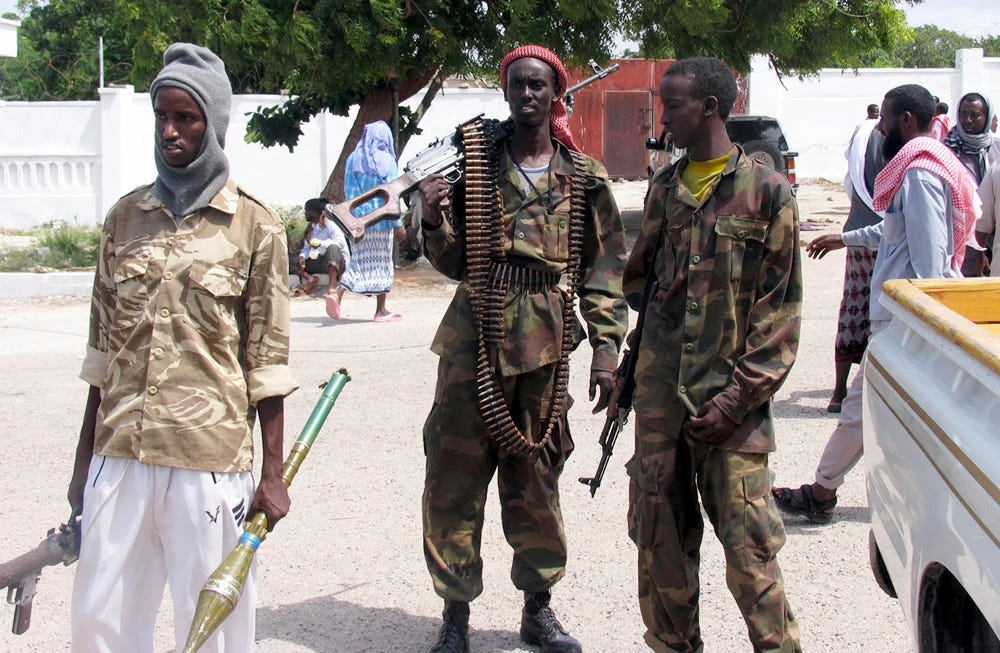
TAX A LOT
Maintain reasonable taxation rates. Truck drivers crossing remote roads in the Democratic Republic of the Congo have historically paid informal “fees” in beer, batteries, cigarettes, or canned food. Excessive extraction discourages commerce though. Sustainable corruption matters. Be thoughtful.
Think long term. If drivers begin taking alternate jungle routes to avoid your roadblock, your strategy will suffer. The goal is to create an atmosphere of MILD financial annoyance, not total economic collapse. Predictable bribery builds customer loyalty. They will all just get used to it.
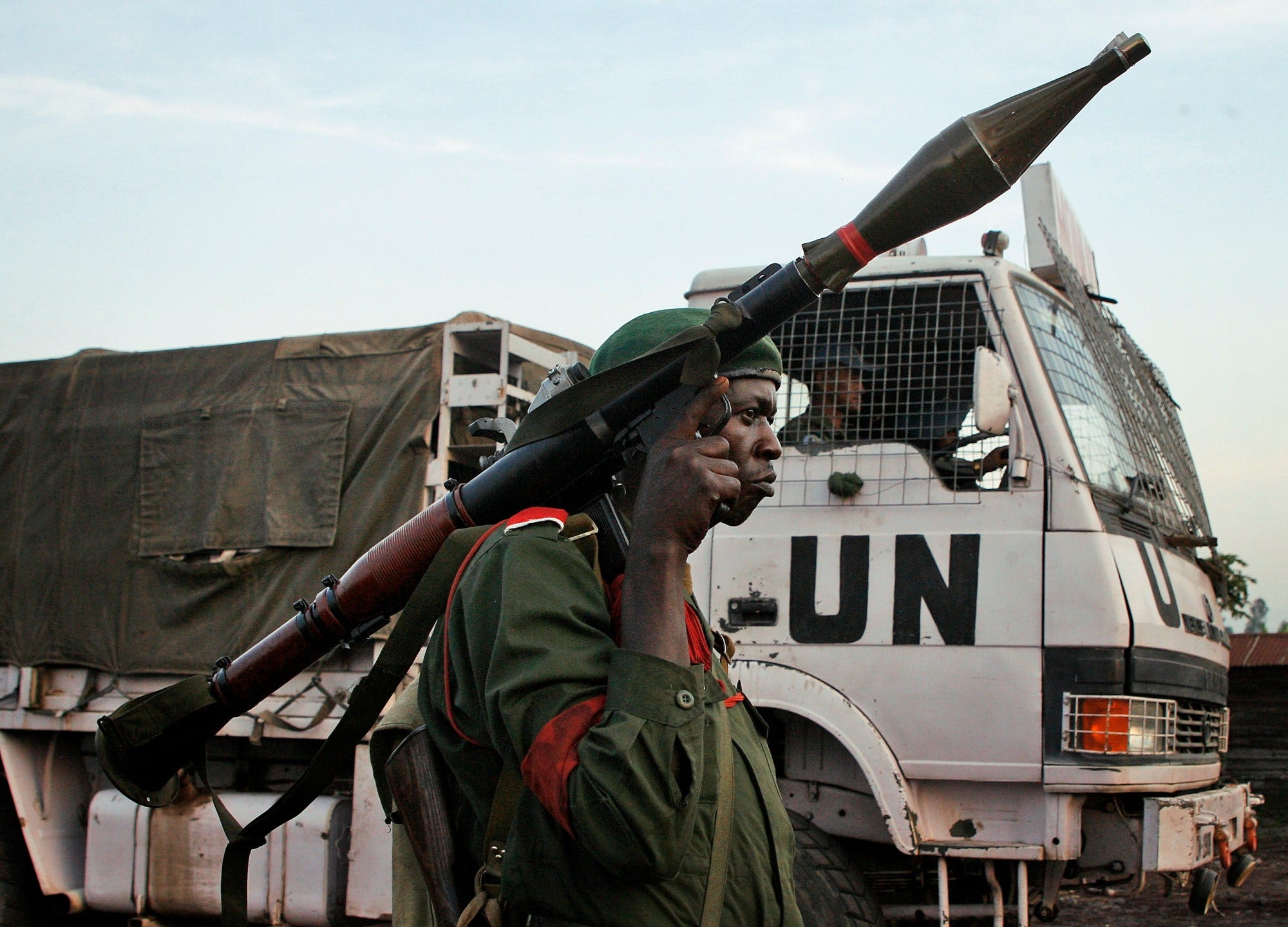
FORECASTING AND AESTHETICS
If you focus on these simple checkpoint functions, you will create a diversified reserve system. If local currency collapses, the cigarettes become money, sacks of rice become payroll, fuel is an investment, even warm soda can become a bargaining tool. Take as much as you can. As an example:
A checkpoint taxing 50 trucks, cars and motor bikes daily at the equivalent of $10 per crossing (in all goods) quietly generates over $180,000 annually before spoilage, theft, or annoying rival militia disputes.
But to make this work, you need a look that commands respect. Your aesthetics are critical. I would recommend the following equipment:
several faded plastic chairs
camouflage jackets regardless of climate
handwritten or spraypainted warning sign naming your checkpoint
Old weapons (clubs and bats are fine)
The roadblock is simply a government office with fewer forms.
So that is it. In the end, a checkpoint is just a tiny state with its own taxation system, customs enforcement, strategic reserves, and questionable accounting standards. If things go to really shit where you are, someone will soon be standing beside a road collecting cigarettes and siphoning diesel from passing trucks.
I enjoyed this. Anyone who has done any field work knows how each ckeckpoint is like landing in a foreign country!
Wow, this is less of a joke post than I thought it would be. Probably not worth it for me to move to Somalia or what have you though.